Setting meaningful goals is really about crafting a sense of direction that feels good and leaves you satisfied once you get there. I’ve found that when I set goals that truly fit with my own interests and values, it not only boosts my motivation but brings a much deeper sense of fulfillment to everyday life. If you’re ready to move beyond just ticking off boxes and actually create goals that lead to genuine satisfaction, I’m sharing some tried-and-true insights here.
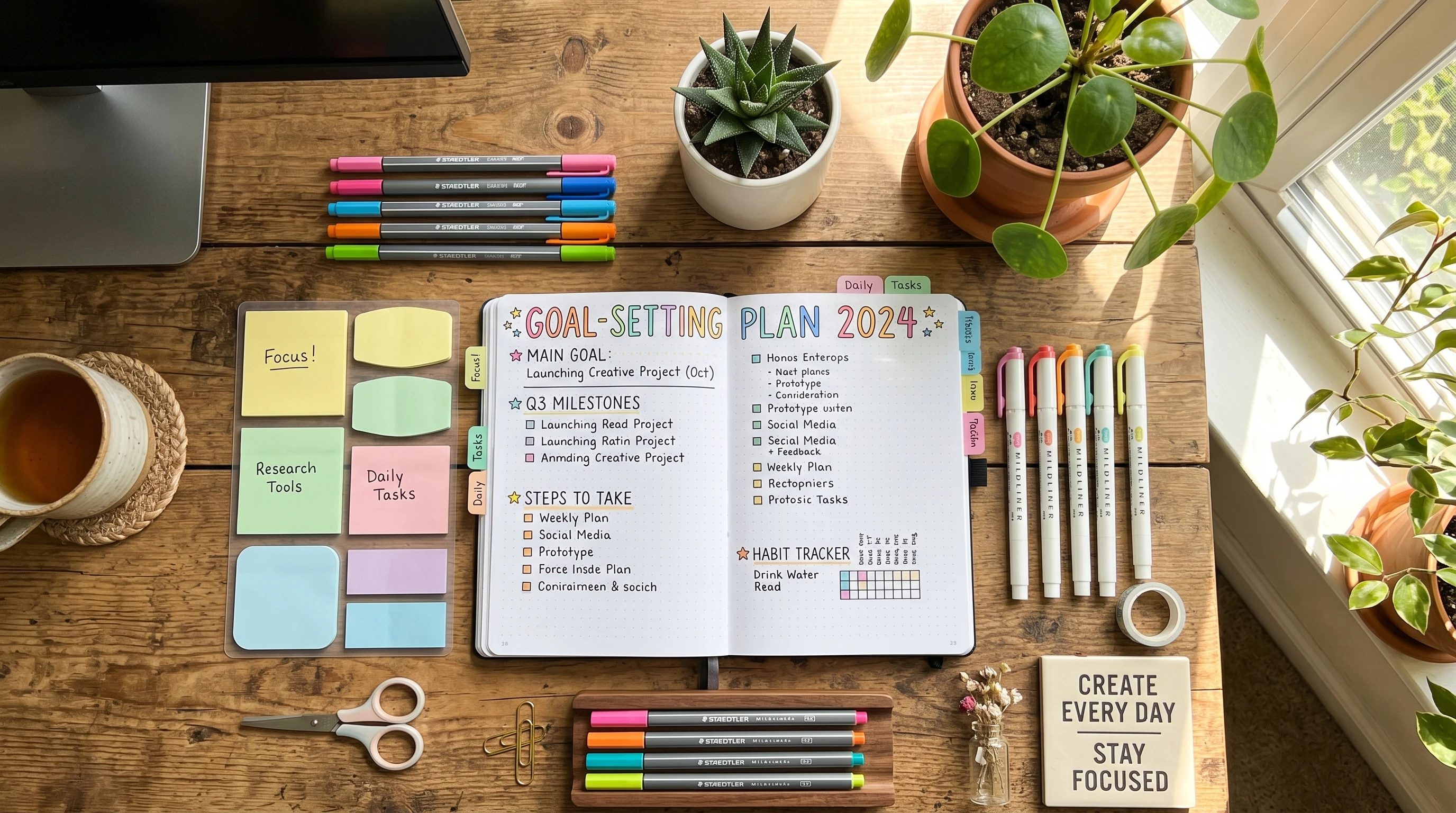
Why Meaningful Goals Matter for Fulfillment
Goals give you something to chase after, and the kind you set has a major influence on how you feel when (and if) you reach them. Research from sources like the American Psychological Association shows that people who aim for goals tied to personal growth, connections, or making a positive impact often report higher life satisfaction compared to those who focus only on material rewards. It’s easy to get caught up in goals you think you “should” have, but real fulfillment comes from going after things that genuinely matter to you.
Setting goals that click with your core values can help you feel more motivated and steady through setbacks. It also builds real confidence as you see yourself making steady progress, even if things don’t always go as planned. This approach works whether you’re setting professional, relationship, fitness, or creative goals. Beyond feeling satisfied when you accomplish them, meaningful goals can help with your mental and emotional well-being by giving your everyday efforts more direction and purpose.
Foundation Steps: Finding Your Real Motivators
Before you even start putting together a fancy list of goals, it helps to figure out what actually moves you. Getting clear on your motivators lays the groundwork for genuine fulfillment when you accomplish something. It can also offer clarity when you find yourself at a crossroads, trying to make big or small life decisions. Understanding why you want what you want keeps you from getting sidetracked by distractions or the opinions of others.
- Reflect on Your Values: Jot down the things you care about most, like honesty, freedom, creativity, kindness, or learning. Consider how your current goals line up with these values. If there’s a mismatch, motivation usually takes a hit.
- Consider Long-Term Desires: Think about the big-picture stuff that gets you fired up, such as supporting your community, personal growth, or leaving a legacy. These long-term themes help guide you toward goals that stick and last.
- Notice What Drains or Energizes You: Track what activities leave you happy and pumped up versus what leaves you feeling flat. Fulfillment-friendly goals tend to lean into the things that fill you up rather than deplete you.
Spending some time on self-reflection isn’t just a warm-up. It’s a great way to set the stage for creating goals that have staying power, especially in busy or stressful seasons of life.
How to Set Goals That Actually Mean Something
Generic or vague goals such as “get fit,” “make more money,” or “be happier” are tough to chase and even harder to feel good about. Meaningful goals usually have a few things in common, making them much more satisfying to pursue, even before you hit the finish line.
- Make Them Personal: Frame your goals around what matters to you, not just what’s popular or what others want for you.
- Keep Them Specific and Actionable: Instead of “read more,” say “read one new book a month in a genre I love.” Instead of “save money,” aim for “set aside $100 monthly for an experience that excites me.” This makes progress easier to track and celebrate along the way.
- Be Flexible: Life happens, and unexpected events are a part of any adventure. Building in room for adjustments stops you from feeling stuck if circumstances change. For example, “improve my fitness by regularly trying new activities” is flexible, instead of a rigid “run five miles every day.”
- Connect Them to a Bigger Picture: Tie your short-term actions to a longer-term vision, like using creative projects to grow confidence, or learning a new skill to connect with your community. When you see how daily actions line up with your deepest motivations, even small steps start feeling meaningful.
Making your goals personal, clear, and adjustable is vital. This ensures they continue to inspire and guide you even as your circumstances or priorities mix it up over time.
Quick Guide: Practical Steps for Meaningful Goal-Setting
The process of setting meaningful goals doesn’t need to be complicated or intimidating. Here are some steps I constantly use when aiming for goals that feel right:
- Write Down Your “Why”: With every new goal, I ask myself, “Why do I want this?” If the answer feels shallow or doesn’t spark any excitement, it’s worth rethinking.
- Set Small, Manageable Milestones: Breaking a goal into bite-sized steps helps keep momentum strong and gives you more chances to celebrate your wins. Each checkpoint supports motivation and helps prevent overwhelm.
- Check In Regularly: I build in regular reviews (weekly, monthly) to see how things are tracking and if my motivations have switched up. If a goal no longer feels meaningful, it’s OK to tweak or drop it.
- Reward Progress: Acknowledging small victories along the way is super important. It gives a boost to motivation and keeps your goal pursuit enjoyable. Even a simple treat or acknowledgment works wonders.
Following these steps can make the whole adventure feel more intentional and satisfying. When you check in with yourself often and celebrate small wins, staying on track becomes much easier.
Common Roadblocks (and How to Avoid Them)
Everyone hits bumps when chasing goals, but knowing what to watch for can help you sidestep discouragement or burnout. You can spot patterns over time and adjust to new challenges as they come.
- Comparison Traps: Seeing what others are chasing can make your own goals feel less worthy. Focus on your own growth and what feels right for you.
- Overcommitting: Trying to juggle too many goals usually leads to burnout. Prioritize a few that matter most and keep the rest for later.
- Perfectionism: The need to do things “just right” can hold things up. Remember, progress beats perfection every time.
- Forgetting to Reflect: Skipping self-reflection makes it easy to drift from your values. Schedule even a few minutes every month to check in with yourself and your goals.
Anticipating these common issues allows you to come up with solutions early and stay flexible. Being aware, staying gentle with yourself, and keeping an eye out for warning signs keep you in the driver’s seat throughout your adventure.
“Why Isn’t This Working?”: Trouble-Shooting Your Goal Process
If you start to lose steam, try these quick fixes:
- Revisit Your Motivators: Remind yourself why you set this goal in the first place. Sometimes reconnecting with your reasons can reignite excitement.
- Make Adjustments: Update your steps or timeline to fit your current situation. Goals aren’t set in stone, and it’s perfectly fine to tweak them without guilt.
- Ask for Support: Sometimes an outside perspective or a pep talk from a friend can reignite your energy. Teaming up, even briefly, with someone who understands can bring new ideas and uplift your spirits.
These simple tweaks can breathe new life into your process, helping you stay connected to what matters most.
Cool Strategies That Make Goal-Setting Feel Good
Layering in extra approaches can make your goal adventure way more enjoyable and meaningful. Here’s what I’ve found super useful:
- Vision Boards: Creating a visual collage of your goals and dreams (whether paper or digital) helps you keep inspired. Every time you glance at it, your energy gets a boost and you stay more mindful of the direction you’re heading in.
- Journaling Progress: Whether it’s daily, weekly, or just whenever you feel like it, jotting down what’s working, what isn’t, and what you’re learning makes you more aware of your growth and challenges. Documenting your journey can bring surprises and reminders of how far you’ve come.
- Setting Up Accountability: Share your goals with a trusted friend or group. I’ve found that even casual check-ins keep things moving in the right direction. Teaming up with others can mix in motivation, encouragement, and fresh ideas.
Mixing in creative methods keeps the process light and personal. You’re more likely to stick with your goals and enjoy the ride when you incorporate tools that make sense for you.
Meaningful Goals Beyond Yourself
Some of the deepest fulfillment stems from goals that reach beyond just personal achievement. These can look like contributing to community organizations, mentoring others, or working toward a cause that matters to you. Even small actions that help others bring extra purpose and joy.
Research from Harvard Business Review and other sources regularly links service-driven goals to increased happiness and wellbeing. So, weaving in efforts that have a positive ripple effect can magnify your sense of accomplishment. You don’t need to make massive changes; simple acts, consistent support, or volunteering just a little of your time can add purpose to your daily routine.
Frequently Asked Questions
It’s easy to get overwhelmed figuring out how to start or maintain meaningful goals for fulfillment. Here are some common questions I hear—and what’s worked for me and others in the same boat:
Question: How do I know if a goal is truly meaningful to me?
Answer: If the thought of achieving it makes you feel genuinely happy or proud (and not just relieved), it’s a good sign. Also, check if it lines up with your personal values and long-term vision.
Question: What if I lose motivation halfway through?
Answer: This happens to almost everyone. Pause and remind yourself of your “why.” Reassess the steps or talk it out with someone you trust. Sometimes taking a short break and coming back with fresh eyes makes a big difference.
Question: Can I change my goals once I’ve set them?
Answer: Absolutely. Life changes, and so do priorities. Updating, tweaking, or even dropping a goal is part of a healthy plan for meaningful progress.
Using Meaningful Goals for Long-Term Fulfillment
Setting goals for fulfillment isn’t really about hitting one amazing milestone. What I’ve found is that the true sense of satisfaction comes from regularly tuning into what matters to you, building habits around progress, and celebrating the ride. Thoughtful goal setting keeps you growing and involved, not just checking boxes. Take a little time to shape goals that connect with your own story, and you’ll notice the difference in motivation, energy, and sense of purpose. Fulfillment isn’t a finish line; it’s a way of approaching life, one goal at a time.