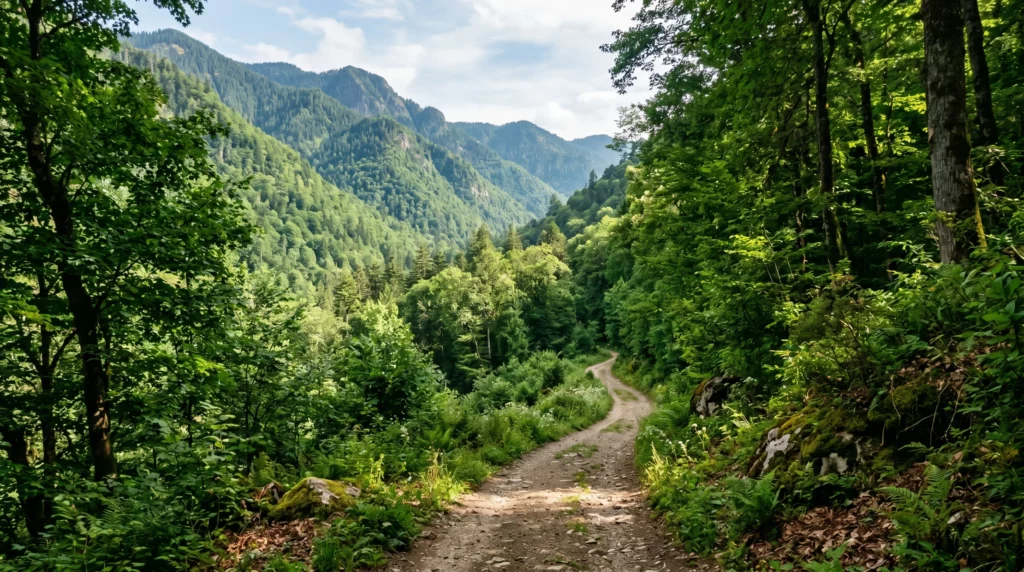
Hiking brings people closer to nature and offers a way to reconnect with yourself that’s tough to beat. When I started hiking, I thought the scenery would be decent, but I didn’t realize how much the trails would really help me pause from daily stress and allow me to tune into my own thoughts. Any time of year, getting out onto a trail is a simple way to break daily routines, find some real quiet, and breathe fresh air. Here, I am unpacking why hiking adds joy to my life, what beginners should know, handy tips for getting started, and some common questions for anyone lacing up their boots for the first time.
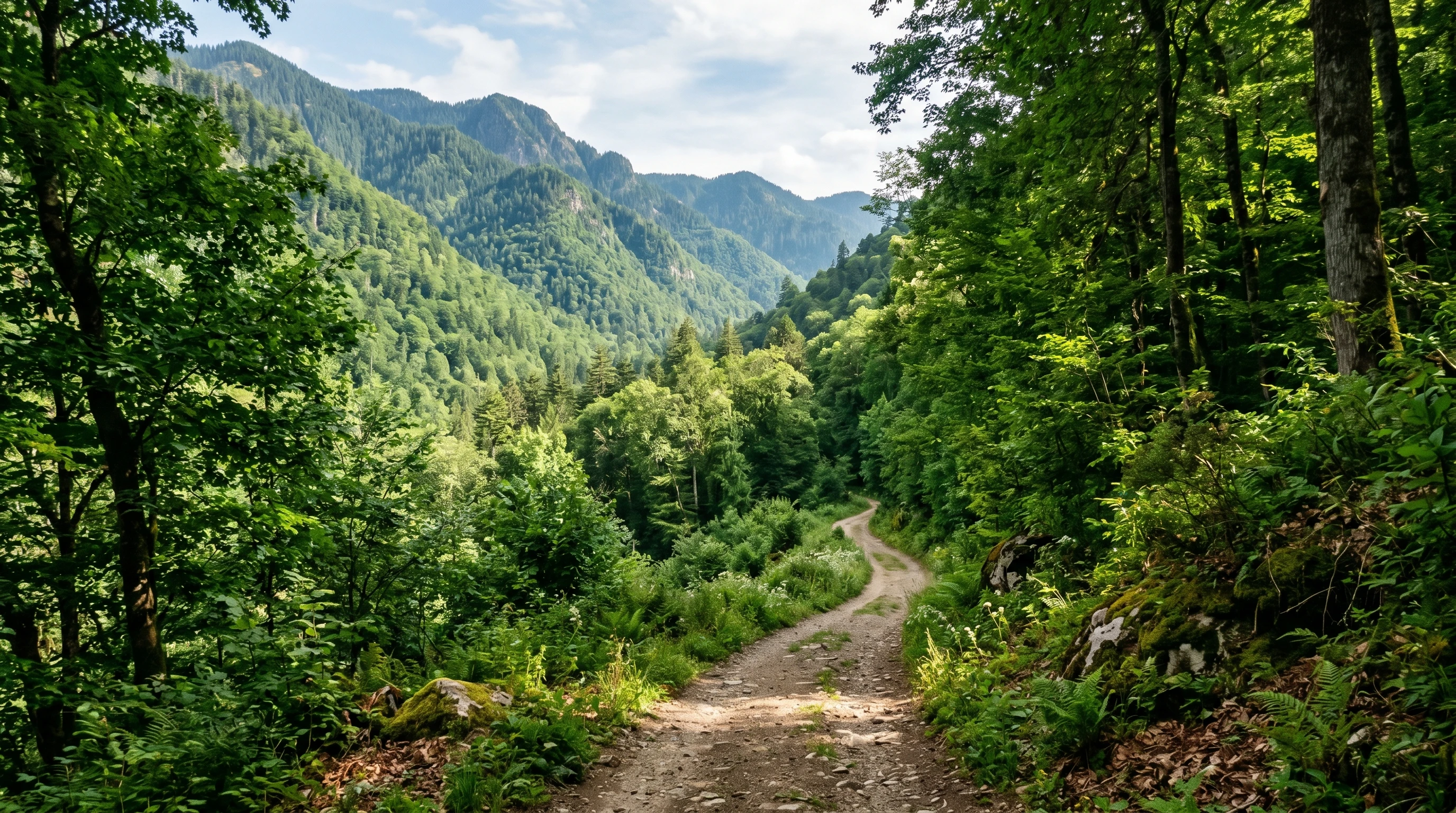
Why Hiking is Refreshing for the Mind and Body
What makes hiking special isn’t just the workout; it’s the feeling you get from being outside, even if you’re just walking in a city park. There’s a quiet energy on the trail I never find at the gym. Breathing crisp air or hearing leaves rustling overhead really helps shift my mood after a tough week. Science actually backs this up—spending time outdoors can lower blood pressure, help people sleep better, and give your outlook a boost. Walking on uneven terrain also works out different muscle groups and helps your balance in ways regular workouts can’t always do.
Many stumble upon the realization that hiking isn’t about moving fast or conquering distance. It’s often about taking a break, watching sunlight play through the branches, soaking up mountain views, or listening to birds. It’s these moments that make me appreciate the world around me instead of just staring at a screen.
Getting Started With Hiking
Jumping into hiking for the first time is easier than it might seem. You don’t need expensive gear or expert know-how—just comfortable shoes and a willingness to take on a simple trail. Almost every community park has marked walking paths, and many national parks offer easy hikes with signs to guide you. When I bring a friend on their first hike, I keep a few things in mind:
- Trail Difficulty: It’s smart to start with an “easy” or “moderate” trail so you can get a feel for what works for you. Park websites and rangers usually rate each trail for visitors.
- Sturdy Footwear: Shoes with good grip make a big difference, especially when the trail might get muddy. While ankle-high hiking boots feel great on rocky paths, running shoes are fine for smoother trails.
- Bring Water: Keeping a water bottle handy helps you stay energized. It’s always simpler to pack more than you’ll need than to run out.
- Weather Awareness: It helps to check the weather—not just for rain, but to know the temperature so you can dress right and keep comfortable.
Hiking is more about enjoying the ride than reaching a destination. Taking breaks to catch your breath or take in a view keeps the experience relaxing and memorable, so take your time.
A Quick Guide: Making the Most Out of Your First Hike
Starting a habit of hiking means making a few simple moves before each outing to stay safe and happy. Here’s my go-to checklist before hitting a new trail:
- Pick a Suitable Trail: Aim for something that matches your current fitness and isn’t too far from home. Trail maps and outdoor apps often show distance, hills, and cool things along the route.
- Tell Someone: I always let a friend or family member know which trail I’m taking and when I should be back. It’s a tiny effort for peace of mind.
- Pack Essentials: Beyond water, I add a snack, a small map, and a packable rain jacket to my bag. Even short trails sometimes serve up surprises.
- Start Early: Catching the morning light means cooler walks, fewer people, and better chances of seeing wildlife.
- Leave No Trace: I pack out everything I bring in. Keeping the trails clean lets everyone enjoy nature the same way next time.
Having these habits in place really makes the ride smoother, letting you focus on soaking up all the good parts of hiking.
Things to Think About Before You Hit the Trail
While hiking may look spontaneous, there are a few things worth planning for. Here’s what I pay attention to and suggest all beginners should do, too:
- Weather Changes: Weather in the mountains can swing fast. I always check the forecast before I leave and carry an extra layer just in case. Getting stuck in a downpour without a jacket is no fun.
- Trail Markings: Staying on well-marked paths is key for staying safe. Parks usually color-code or number the trails, so I snap a picture of the map at the start.
- Wildlife Awareness: You might spot wildlife, like snakes or even bears, depending on where you are. Staying alert, not feeding animals, and keeping a respectful distance protect everyone.
- Personal Limits: I remind myself it’s ok to turn back if I’m tired or the weather takes a bad turn. Listening to your body helps you look forward to your next outing.
Adjusting for Weather
Bringing a light jacket or rain shell is always a good bet if the sky looks iffy. I also wear a hat or sunscreen, since sunburns sneak up even on cloudy days.
Following Trails Safely
I rely on a phone app but always have a photo of the trail map, since some hazard updates show up only at trailheads. A paper map beats a phone if I lose service halfway in.
Respecting Wildlife and Other Hikers
Trails are open for everyone. Staying courteous, letting others pass, and greeting folks as we cross paths helps make the outdoors feel friendlier and safer.
Advanced Hiking Tips: Leveling Up Your Experience
After you get comfortable, trying new locations or longer outings helps you level up your hiking game. Here’s what works for me as I keep hiking:
Try Sunrise or Sunset Hikes: Mornings and evenings can turn trails into some seriously eye-catching places when sunlight angles just right or the sky shows off wild colors.
Use Trail and Nature Apps: Bird and plant ID apps make every walk feel like a low-key scavenger hunt. Learning what you see makes every trail more interesting.
Go With a Group: Hiking with company means extra motivation and more fun, plus it’s safer to go with friends for remote trails.
Practice Mindfulness: Slowing my steps, focusing on my breath, or noticing how sunlight feels can turn a hike into an awesome mental re-set and help recharge the mind.
The best hikes aren’t always about climbing to some epic summit. Some days, wandering and being surprised by small things is what makes it all worthwhile.
What to Bring: Hiking Gear Basics
Bringing the right gear helps you enjoy your hike and stay safe. My typical pack always includes:
- Comfortable Backpack: Big enough for water, snacks, and a layer, but light enough for easy carrying.
- Water & Snack: Water is a must, and snacks like granola bars or trail mix give you quick energy hits.
- Navigation Tools: I rely on a phone, but always carry a backup paper map just in case my battery dies mid-hike.
- First Aid Kit: For small cuts or blisters, I keep some band-aids and ointment ready.
- Sun Protection: Sunglasses, sunscreen, and a hat stop me from getting burned.
- Weather Protection: An extra shirt, rain jacket, and a spare pair of socks come in handy if weather turns or my feet get wet.
You don’t need to buy all your gear new. Secondhand shops or sale racks at the end of a season are great for the basics. You can build up your set as your adventures get longer or tougher.
- Nature Journaling: A notebook or phone app lets me jot down what I notice, or sketch out cool rocks and plants. It’s a fun way to slow down during a break.
- Try Different Locations: Swapping city parks for state forests or preserves brings fresh views and new challenges, so hiking never feels stale.
Frequently Asked Questions
Here are some common questions from new hikers—and my experiences to help you out.
Question: What do I do if I feel lost on the trail?
Answer: Stop, stay calm, retrace your steps to the last known sign or marker, and check your phone or map if possible. If you’re truly lost, stay put so you’re easier to find. Making yourself visible and waiting for help is sometimes the safest call.
Question: How much water should I bring?
Answer: I usually bring about half a liter—or sixteen ounces—per hour of hiking and add more for heat or hard climbs. Being well hydrated before you even set out also helps a bunch.
Question: Is hiking safe to do alone?
Answer: It can be, especially on well-marked, busy trails. I started solo hiking only after getting comfortable, always sharing my plans, and skipping risky areas on my own.
Final Thoughts
Hiking offers a real way to unplug, move your body, and see the world in a whole new light. Beyond the health benefits, it’s become my favorite way to check in with myself and get a real breath of fresh air. If you’re thinking about trying it out, skip stressing about fancy gear or super-fit hikers—just pick a trail, pack a snack and some water, and jump in. Even a short walk can brighten your week and clear your head. For anyone considering the first step: be curious, go slow, and enjoy the ride.